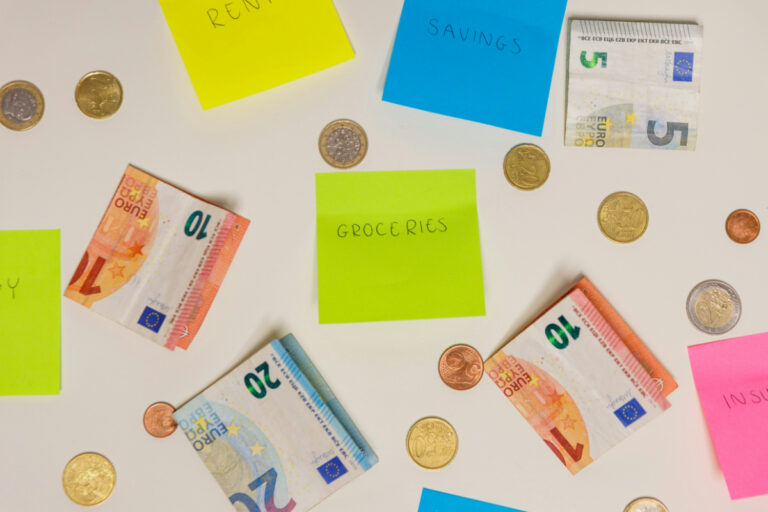
Sinking funds sound far more complicated than they are. Sinking funds are simply small amounts of money set aside for costs you know are coming. I call them little pots instead. You can use them for Christmas, birthdays, school shoes, car costs or a summer treat. The idea is simple: save a little before the bill arrives, so it doesn’t knock your whole budget sideways. You don’t need complicated maths or a huge income. Start with one pot for the next cost you can see, then build from there when money feels less tight.
What are sinking funds?
People use the term sinking funds for money saved towards a planned future expense. In plain English, it’s a little pot with a job to do.
The money isn’t really spare. It already has a purpose. That makes it different from an emergency fund, which helps with an unexpected problem. A little pot is for something you expect, even if you don’t know the exact final cost yet.
For example, you might know that your child will need new school shoes in August. You might also know that Christmas comes every year. Putting a small amount aside over time makes those costs easier to manage.
I like this approach because it removes some of the panic. Instead of finding a large amount all at once, you make steady progress. It also helps you see what your money needs to cover throughout the year.
How to start your little pots this week
First, look at the next three months. Write down the costs that are likely to appear. Don’t worry about making a perfect list. A rough list is enough to get started.
- Choose one upcoming cost.
- Give it a clear name, such as school shoes or birthday.
- Decide where the money will sit.
- Add a small amount whenever you can.
- Use it only for that named cost.
You could use separate savings spaces in your banking app, a simple spreadsheet or labelled envelopes. The best method is the one you can understand and keep up with. If a banking app makes things confusing, a note on your phone can work just as well.
Don’t set an amount that leaves you short for food or bills. Even a small payment is useful because it starts the habit. You can add more at the end of the month if there is money left.
My quick fix: Open one little pot today for the next cost you know is coming. Name it clearly, then add something straight after payday, even if it feels small.
Which sinking funds should you have?
You don’t need a pot for every possible expense. Too many pots can make your budget harder to follow. Instead, choose costs that happen regularly or would be difficult to cover in one go.
Christmas and birthdays
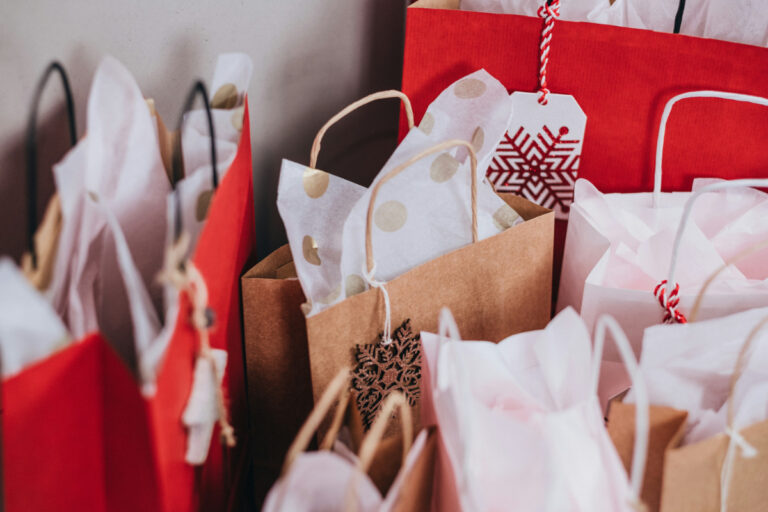
Christmas and birthdays both have set budgets in my household. I save for them through the year in little pots, then buy presents early when I see suitable items.
Buying early can spread the cost, but it needs a bit of care. Keep presents somewhere safe, and write down what you’ve bought. Otherwise, it’s easy to forget and buy too much.
I also make handmade gifts, such as truffles, when that feels right. Wrapping paper and packaging often go into my January sales list too. These small steps help without making celebrations feel mean.
School shoes and a winter coat
School costs can arrive at awkward times. I prefer to save towards good school shoes in August and a decent winter coat. Buy cheap, buy twice can be true for things that get heavy use.
That said, children grow quickly. I don’t spend more just for a label or a fashion trend. I look for something practical, hard-wearing and suitable for the season.
If school costs are difficult, check what support your family may receive. The rules can change, so use the official school clothing costs guidance rather than relying on old advice.
Car costs and home repairs
Car repairs, servicing and tyres can be painful because they often cost more than a normal monthly bill. A car pot can make these expenses less alarming.
I have an old car, and I don’t want a car finance deal just to appear better off. A car is not a status symbol to me. If it’s safe and gets me where I need to go, that’s enough.
I also use a trusted mechanic and research essential services before paying. That helps me avoid being taken advantage of when a large bill appears. I only tackle simple, safe jobs after proper research. I never touch dangerous electrical, gas or structural work.
Using sinking funds without complicated maths
You don’t need a detailed formula. Start by looking at the cost and the time before you need it. Then choose an amount that feels realistic.
For example, if you know a cost is coming in several months, divide the amount into manageable payments. You don’t need the answer to be exact. Round it down if that makes the plan easier to follow.
If you don’t know the final cost, save what you can and check your progress later. You can also adjust the pot when your plans change. A budget should help you, not make you feel as though you’ve failed.
Keep your little pots separate from everyday spending if possible. That makes it less tempting to use the money for a quick shop. However, don’t punish yourself if you need to move money around. Real life happens, especially on one income.
For more help with making a plan, my guide to taking control of your money covers the basics in plain English.
A summer splurge fund with Plum
I use Plum to round up purchases to the nearest pound and save the change. I also add extra money on payday when I can. That little pot becomes my summer holiday splurge fund.
It isn’t a replacement for proper holiday planning. Instead, it gives me some spending money for treats and extras. I like knowing that the small amounts are doing a job rather than disappearing unnoticed.
Check any app’s current terms before using it. Features and charges can change. You should also choose a savings method you understand and feel comfortable using.
Make room for little pots in a tight month
When money is tight, saving can feel impossible. I understand that feeling because childcare costs were a huge pressure when my son was a baby.
I researched what I was entitled to and found support such as Tax-Free Childcare. I rate it as brilliant. Child Benefit is another payment worth checking, depending on your circumstances.
Rules and eligibility can change, so check the official benefits calculators. You can also check current childcare support before deciding what you can afford to save.
If you receive free school meals, check what else may be available. Support can sometimes include holiday clubs, activities, school trips or music lessons. Ask your school or local authority, because the details vary.
Most importantly, don’t save a little pot while skipping essentials. Food, rent, energy and minimum debt payments come first. Saving can wait until the basics are covered.
Little pots should support real life
I don’t think being money savvy means going without everything enjoyable. It means choosing where your money makes the biggest difference.
I pay for a cleaner. Some people might see that as extravagant, but it gives me back time and energy after work. I use that energy to cook, plan and save money elsewhere. My rule is to work out what saves money and what saves time.
Home cooking is one of my biggest savings. I batch cook and keep my cupboards and freezer stocked. Frozen vegetables are a regular staple because they keep well and help us eat healthily.
My pantry-first meal planning ideas can help you use what you already have. That can free up money for a little pot without making meals boring.
FAQs
Are sinking funds the same as savings?
Sinking funds are savings with a planned purpose. You set the money aside for a known future cost. General savings can be more flexible, while a little pot is usually there for one job.
How many sinking funds do I need?
Start with one or two. Choose the costs that cause you the most stress, such as Christmas or car repairs. Add another pot only when your current system feels easy to manage.
Where should I keep my sinking funds?
You can use savings spaces, a separate account, envelopes or a simple list. Choose a safe option that you can access when needed. Always check the current terms of any bank or app you use.
What if I can’t save anything this month?
Then don’t force it. Cover your essentials first and try again when things are steadier. You can also start by listing future costs, because planning is useful even before you add money.
Little pots have made planned costs feel much less frightening for me. Start small, keep it simple and give every pound a clear job.
You’ve got this, and you don’t need a perfect budget to make a useful start.